

Step 1: Preparation – Lay the Groundwork
Before swinging a hammer or buying paint samples, start with these essentials:
- Set a Budget
- Determine how much you’re willing to spend, including a 10–15% buffer for unexpected costs.
- Prioritize expenses: structural fixes (e.g., flooring, electrical) come before decor.
- Define Your Vision
- Ask: What’s the primary purpose of this room? (e.g., relaxation, work-sleep balance, storage).
- Gather inspiration from Pinterest, magazines, or design blogs.
- Measure Your Space
- Note the room’s dimensions, window/door placements, and ceiling height.
- Use apps like Room Planner to visualize layouts.

Step 2: Design the Layout
Maximize functionality and flow with smart planning:
- Furniture Arrangement
- Start with the bed placement (usually the focal point). Ensure there’s space to walk around it.
- Consider built-in storage (e.g., under-bed drawers, wall-mounted shelves) to save space.
- Lighting Plan
- Layer lighting: overhead (chandelier), task (bedside lamps), and ambient (string lights, sconces).
- Add dimmer switches for adjustable mood lighting.
- Storage Solutions
- Opt for multifunctional furniture (e.g., ottomans with storage, floating nightstands).
- Declutter before renovating to assess what storage you truly need.

Step 3: Select Materials & Finishes
Choose durable, cohesive materials that align with your vision:
- Flooring
- Hardwood or laminate for warmth; carpet for coziness; tiles for easy maintenance.
- Walls & Ceiling
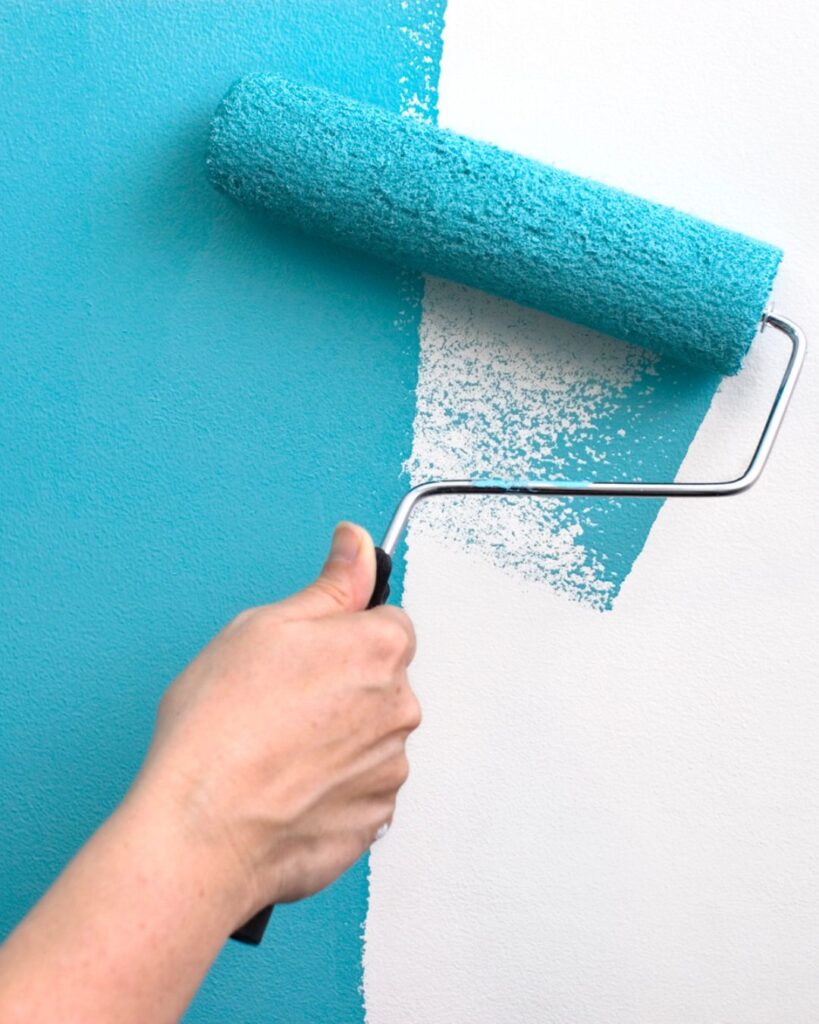
- Paint: Matte finishes hide imperfections; satin is washable.
- Wallpaper: Use accent walls for bold patterns.
- Consider paneling or shiplap for texture.
- Window Treatments
- Blackout curtains for better sleep; sheer drapes for light diffusion.
Step 4: Choose a Color Palette
Colors set the mood—pick a scheme that resonates with your goals:
- Neutrals as a Base
- Whites, beiges, or soft grays create calm and flexibility.
- Pair with warm wood tones for a cozy feel.
- Accent Colors
- Add personality with muted blues (serenity), sage greens (freshness), or terracotta (warmth).
- Follow the 60-30-10 rule: 60% dominant color, 30% secondary, 10% accent.
- Popular Palettes
- Monochromatic: Shades of one color (e.g., navy + sky blue).
- Complementary: Contrasting hues (e.g., blush pink + forest green).
- Earthy: Warm browns, ochres, and creams for a grounded vibe.
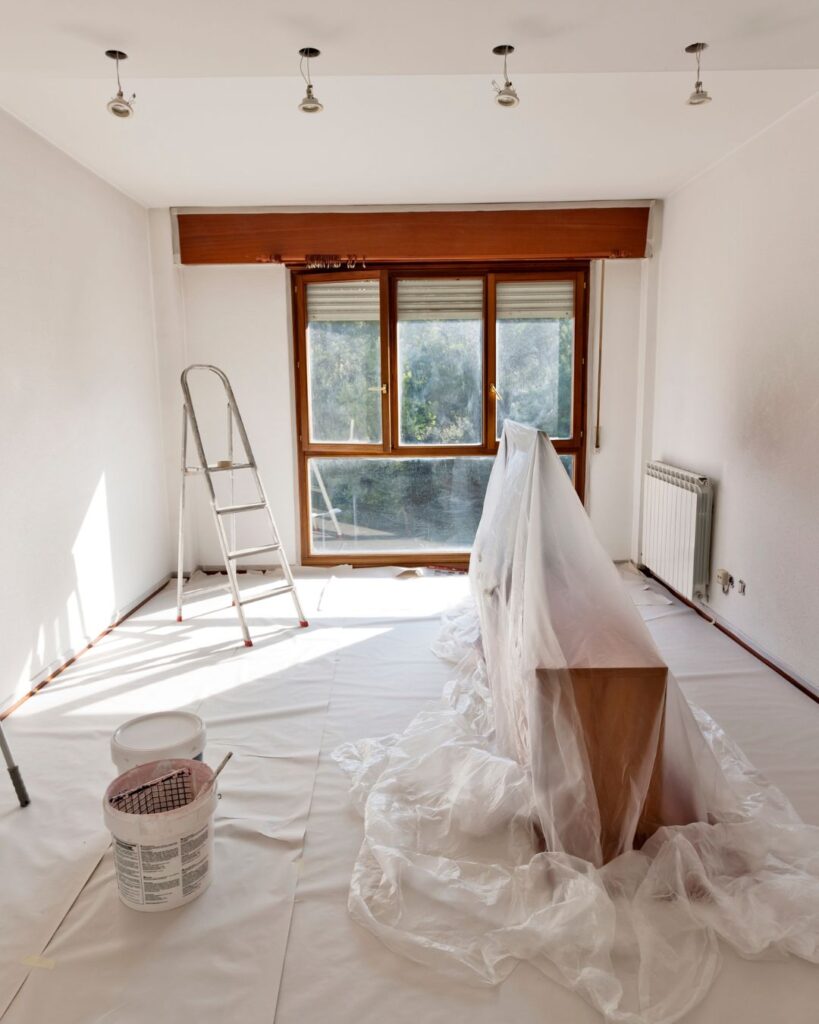
Step 5: Execution – Bring Your Plan to Life
- Hire Professionals (If Needed)
- Contractors for electrical/plumbing work; painters for flawless finishes.
- Timeline
- Break tasks into phases: demolition → flooring → painting → furniture setup.
- Allow 2–4 weeks for a full renovation, depending on complexity.
- DIY Tips
- Paint walls before moving furniture in.
- Use peel-and-stick wallpaper for easy updates.
Step 6: Final Touches
- Decor & Textiles
- Layer rugs, throw pillows, and blankets for texture.
- Add plants for freshness.
- Personalize
- Display art, photos, or shelves with meaningful items.
Bedroom Renovation Checklist
✅ Set a budget with a 10–15% buffer.
✅ Measure the room and sketch a layout.
✅ Declutter and plan storage solutions.
✅ Choose materials (flooring, paint, lighting).
✅ Finalize color palette (test swatches in natural light!).
✅ Hire contractors or schedule DIY tasks.
✅ Install flooring → paint walls → assemble furniture.
✅ Add decor, textiles, and personal touches.
Conclusion
A bedroom renovation is a chance to create a space that reflects your personality and supports your daily life. By following this plan—from budgeting to color selection—you’ll avoid overwhelm and enjoy the process. Remember: Great design is about balance, so blend function with beauty to craft a room you’ll love waking up in.
Happy renovating! 🌟
Got questions or tips of your own? Share them in the comments below!